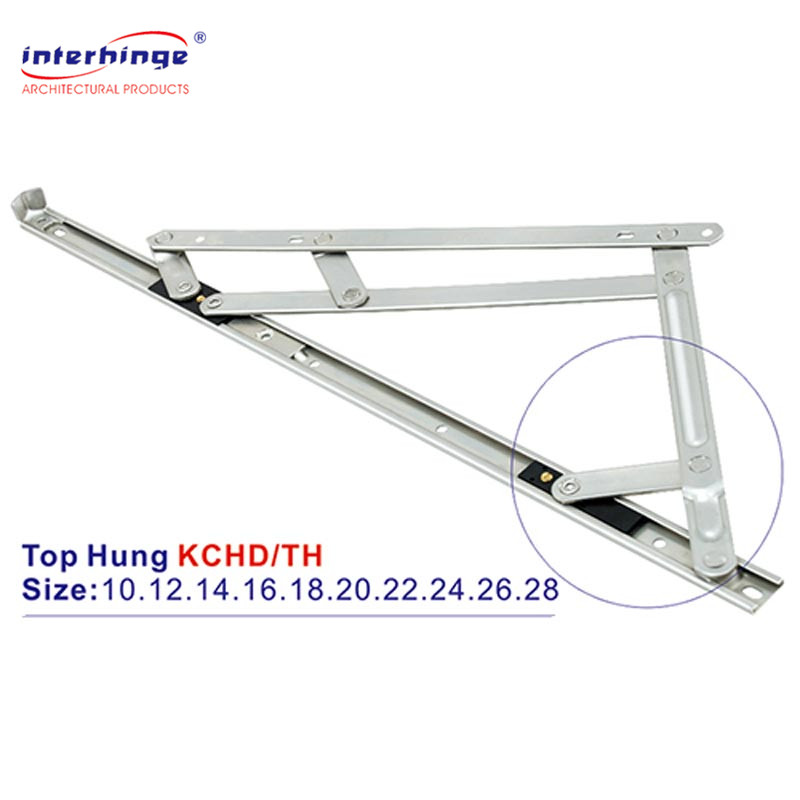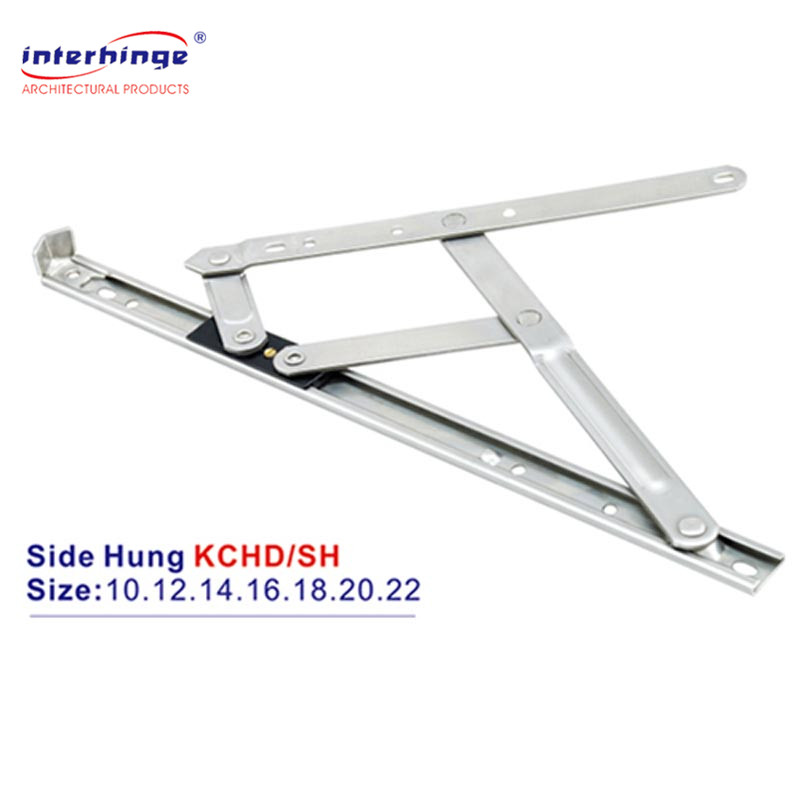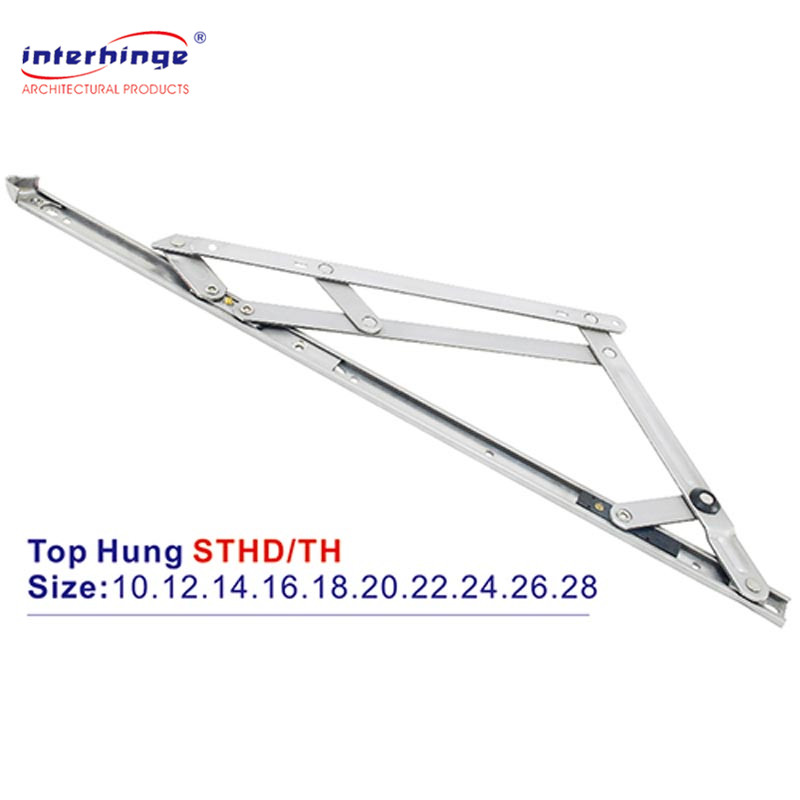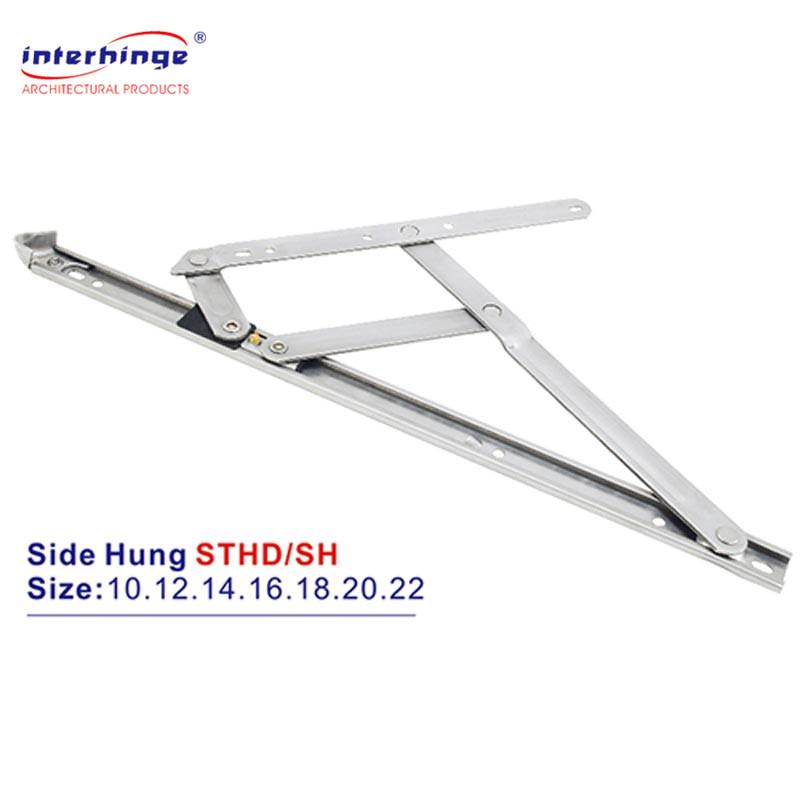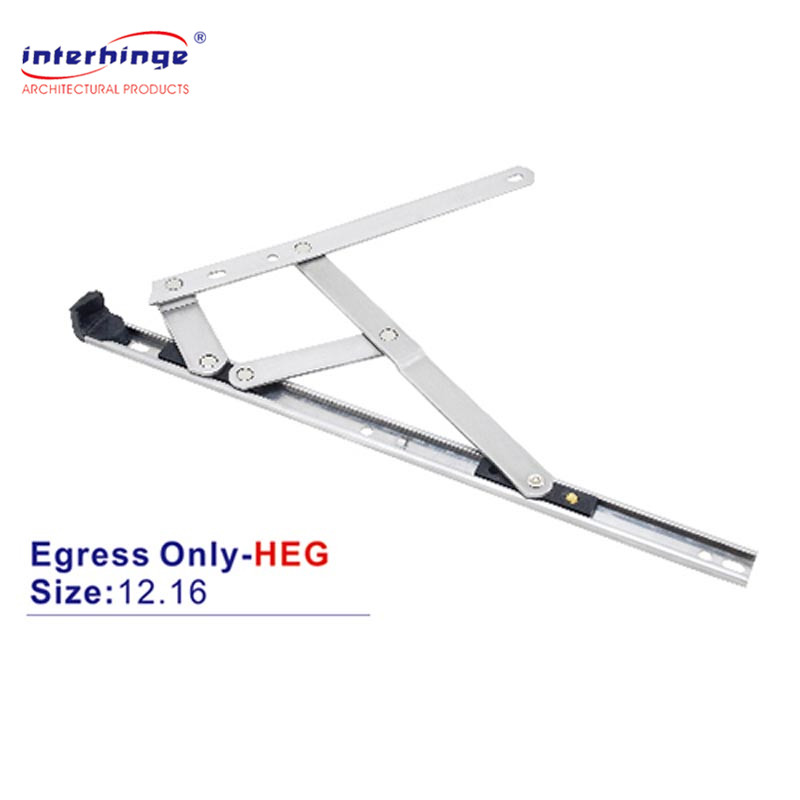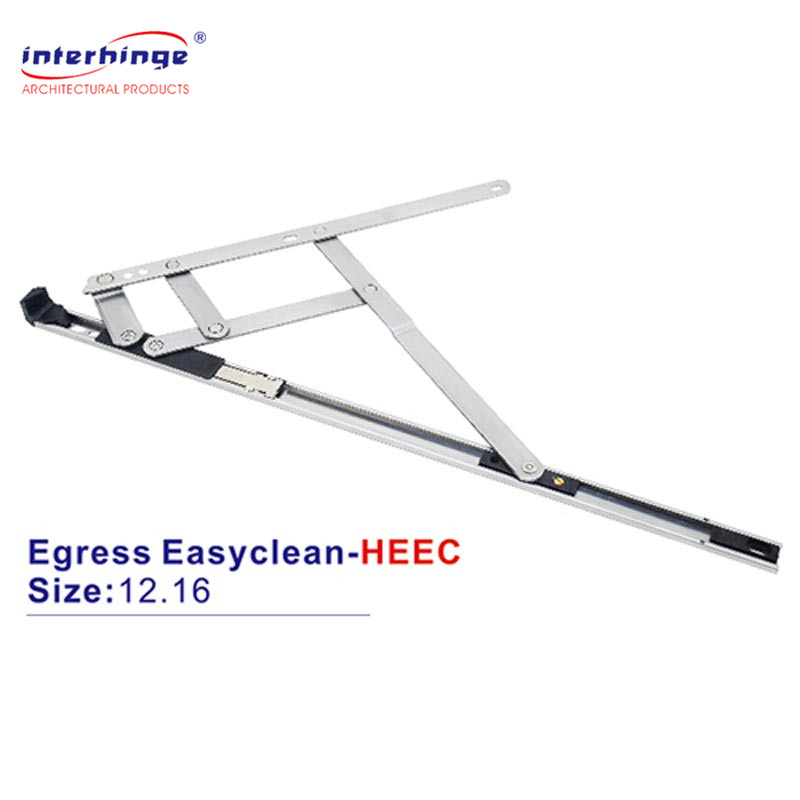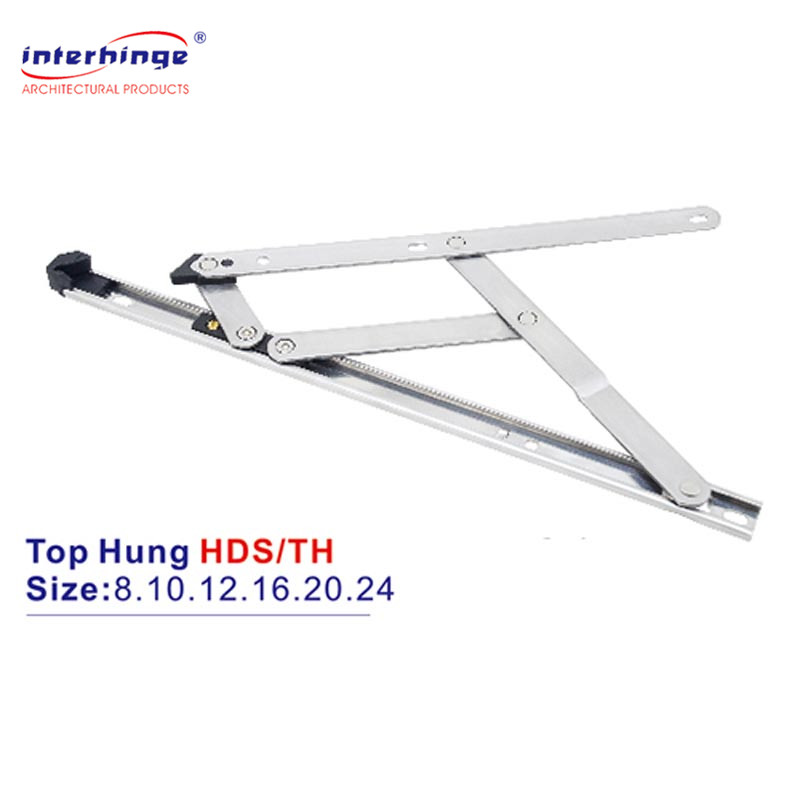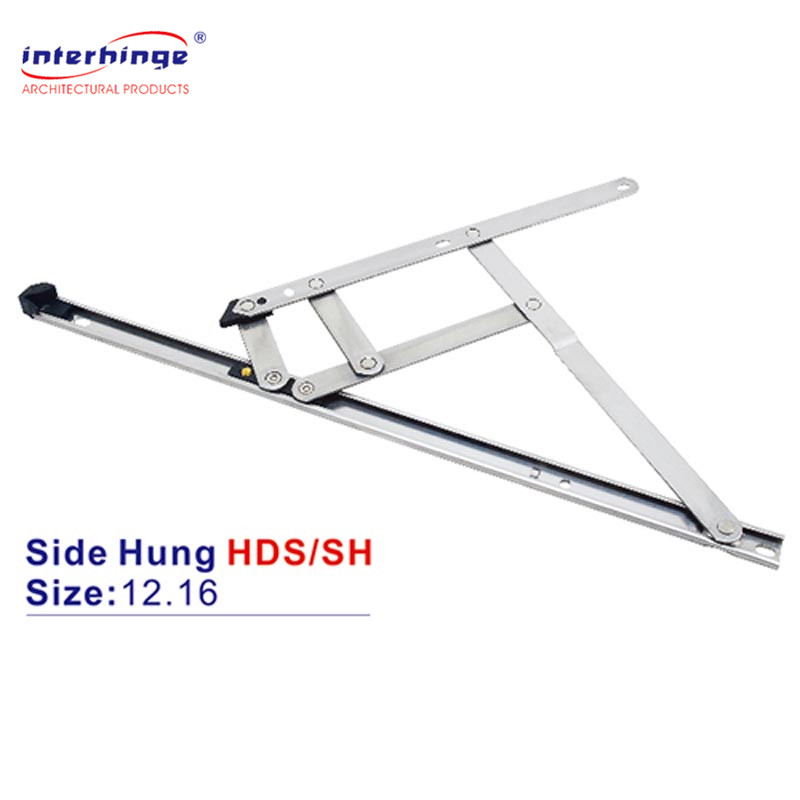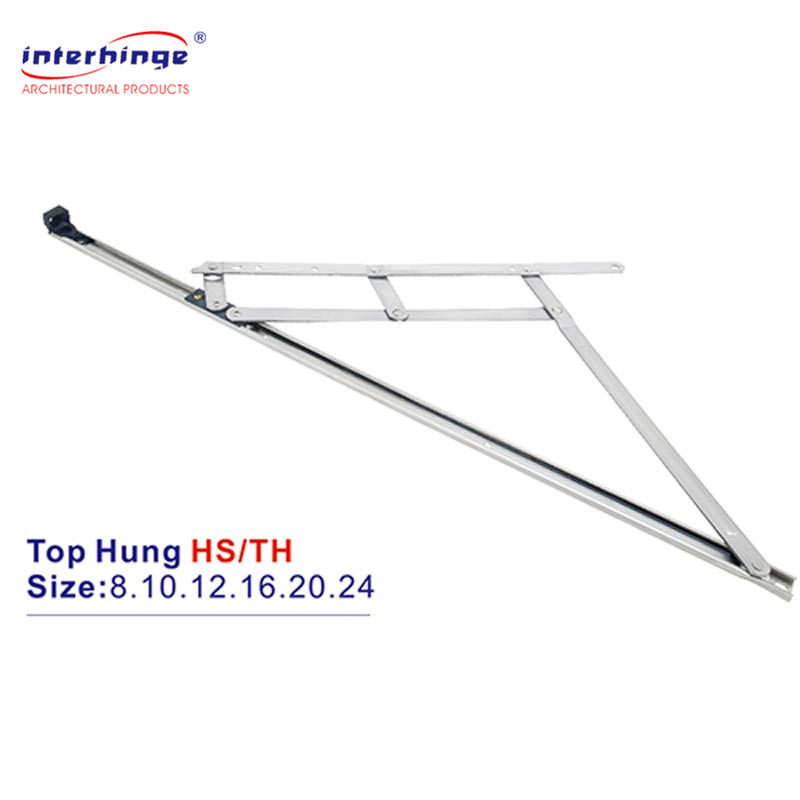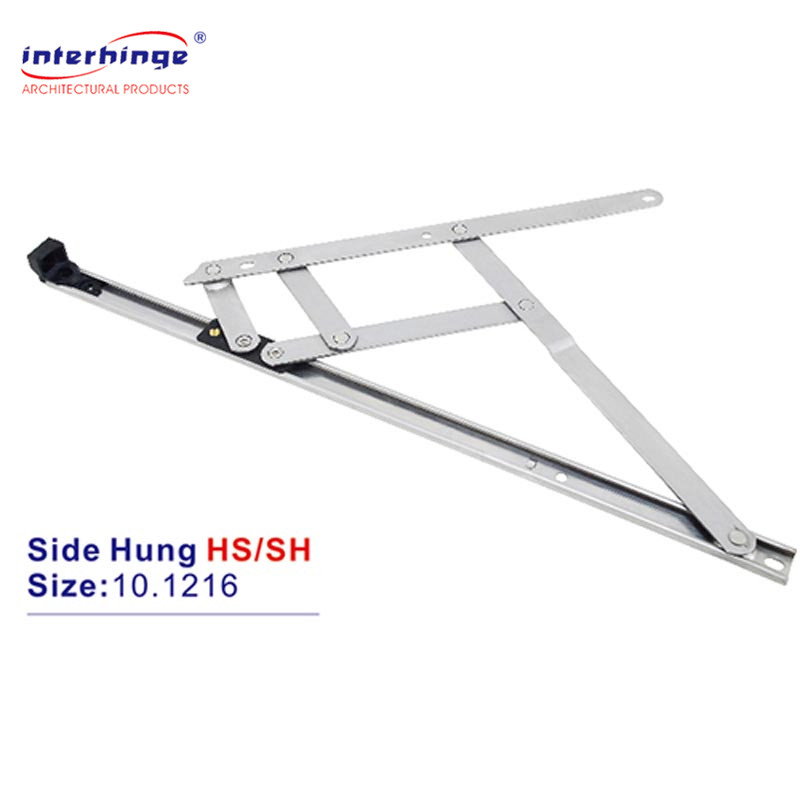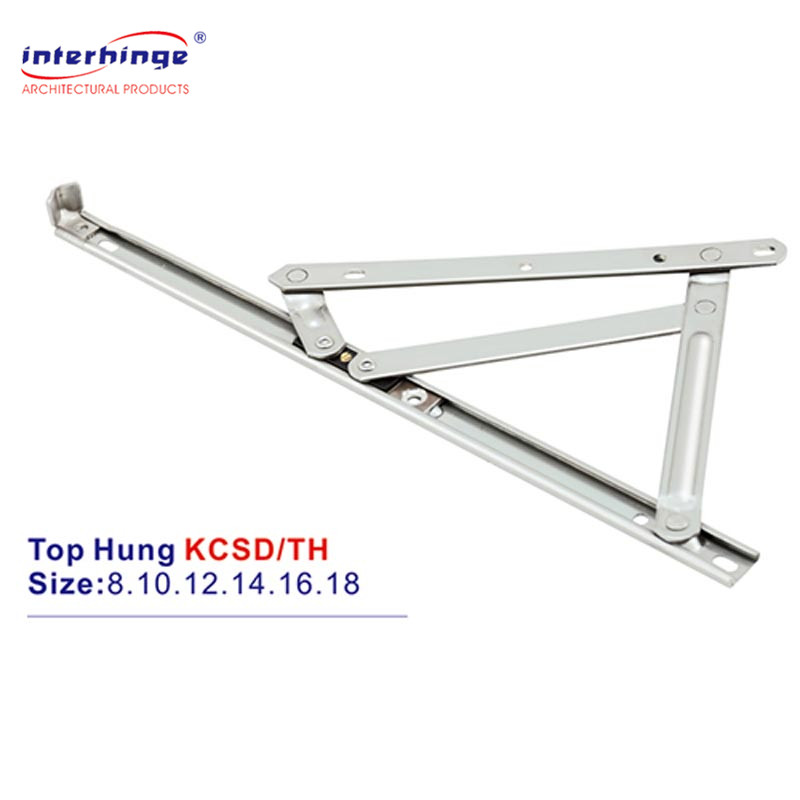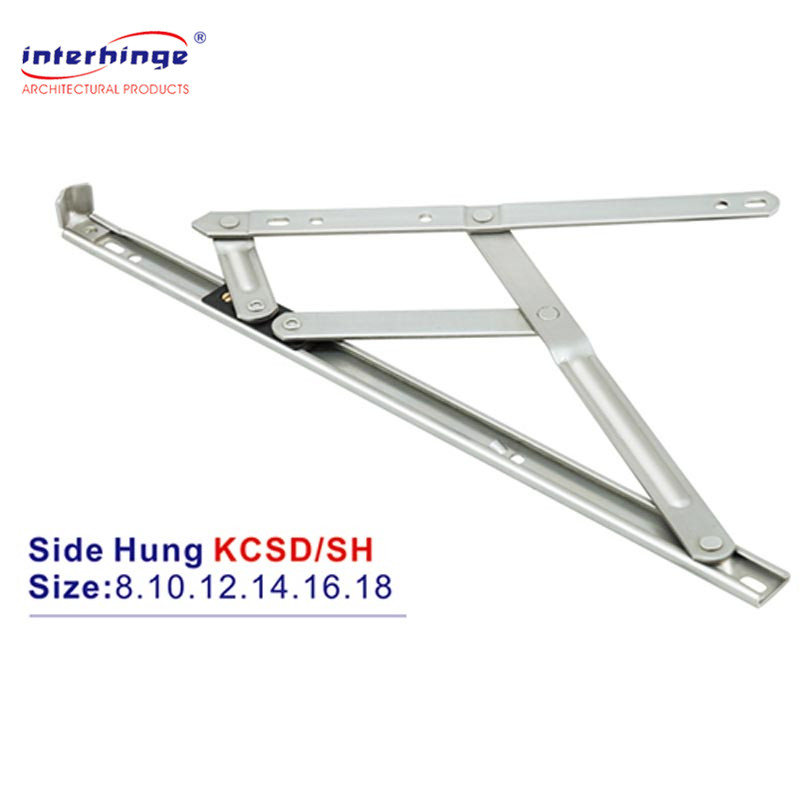








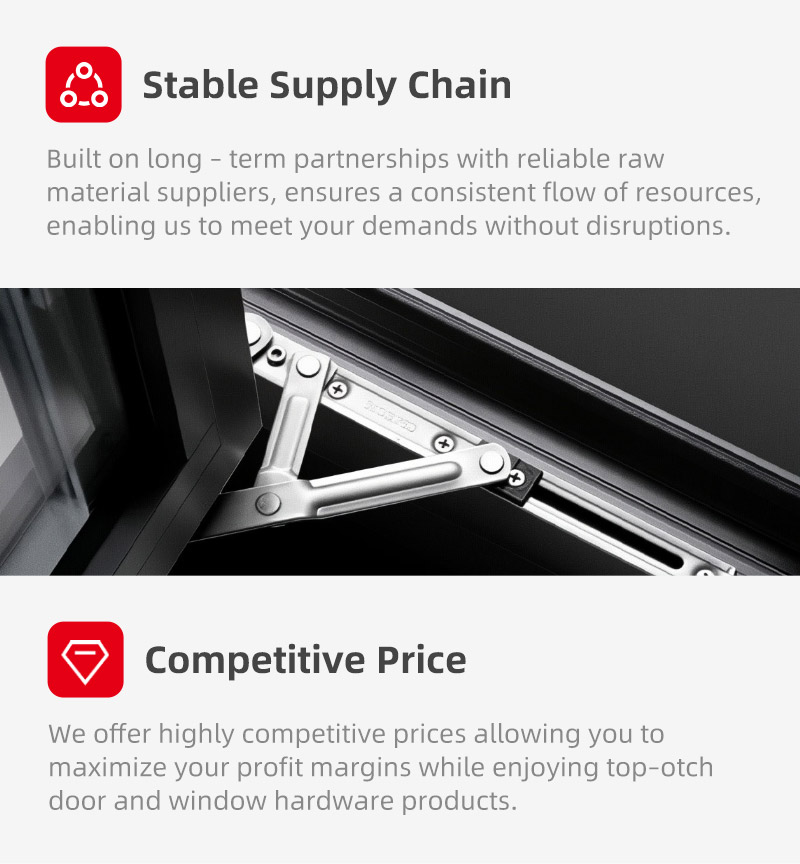



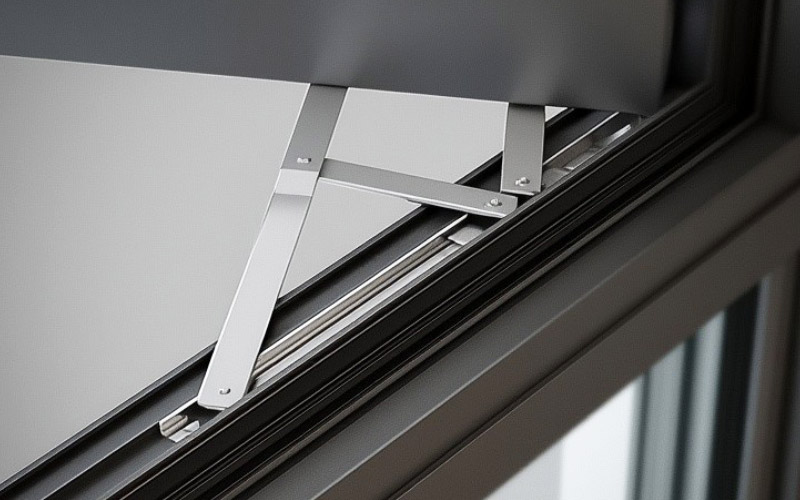
Sliding braces are the core hardware accessories for external windows (especially casement windows). After long-term use, they are prone to looseness, corrosion, and jamming. Timely replacement or reasonable modification can restore the functionality of doors and windows, ensure safety, and extend the overall service life of doors and windows. This article compiles practical knowledge, which is easy to understand and helps everyone standardize operations and avoid misunderstandings.Key points for replacing sliding braces1. Determine the timing of replacementWhen the sliding support shows component rust, opening and closing jamming, positioning failure, or window sash sagging, shaking, or even loose or detached connectors, it should be replaced in a timely manner to avoid safety hazards and affect the normal use of doors and windows.2. Key precautions for replacementSelection and adaptation: When replacing, it is necessary to choose sliding braces that are compatible with the original door and window specifications, materials, and opening methods, to ensure that the size, load-bearing capacity, and window sash match, and to avoid blindly selecting universal models that may cause installation inconvenience or abnormal use.Standardized operation: Before replacement, doors and windows should be closed and safety protection should be taken. When dismantling old sliding supports, avoid damaging door and window profiles; When installing a new sliding brace, ensure that it is firmly fixed, evenly stressed, and the connecting parts are installed in place to avoid loosening.Product selection: Priority should be given to selecting compliant, reliable, and corrosion-resistant products that are suitable for complex outdoor environments and reduce the frequency of replacement in the future.Practical Techniques for Sliding Support TransformationThe modification of sliding braces mainly targets the situation where the existing sliding braces have insufficient performance and poor adaptability. The core is to improve safety and user experience, without the need for overall replacement of doors and windows:Performance upgrade: If the original sliding brace has insufficient load-bearing capacity and poor wind resistance, it can be modified and upgraded to a more stable structure and stronger load-bearing sliding brace to meet the needs of window sash use and improve wind and anti drop performance.Adaptation and renovation: To address issues such as installation misalignment and excessive gaps, the installation position of the sliding brace can be adjusted, and the compatible connectors can be replaced to ensure a tight fit between the sliding brace and the door and window profiles, and smooth opening and closing.Daily maintenance combined with renovation: After renovation, it is necessary to regularly inspect the sliding support components, clean dust and rust in a timely manner, do a good job of maintenance, and extend the service life of the renovated sliding support.Common Misconceptions and Warm TipsDo not blindly modify on your own: If you are not familiar with the operation, it is recommended to have professional personnel replace and modify it to avoid damaging door and window profiles or leaving safety hazards.Do not overlook details: After replacement and renovation, it is necessary to test whether the opening and closing of doors and windows, as well as their positioning, are normal, to ensure that the sliding support is stable, without any jamming or shaking.Regular maintenance: Regardless of whether it is replaced or modified, it is necessary to clean and maintain the sliding support in daily life to avoid long-term exposure to sunlight and moisture that may cause component aging.ConclusionThe replacement and renovation of sliding braces for doors and windows are centered on "adaptation, standardization, and safety". Mastering the above practical knowledge can not only solve the problem of sliding support in a timely manner, but also improve the user experience of doors and windows, extend their service life, and avoid unnecessary maintenance costs.
04-09Knowledge
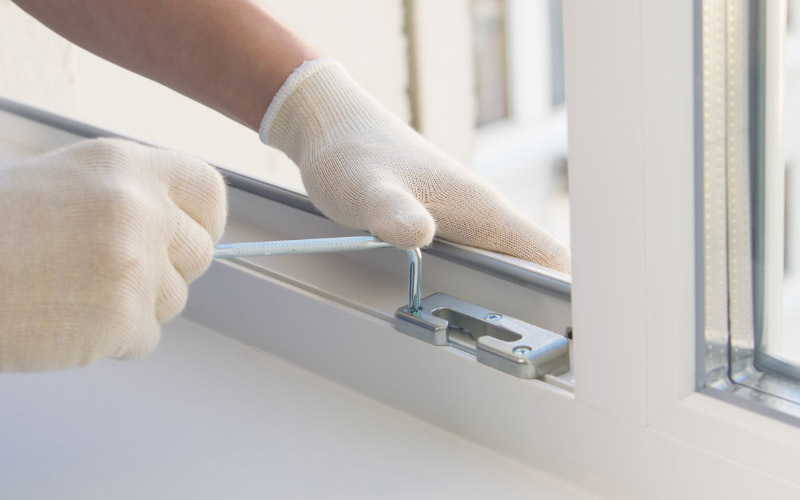
Sliding hinge is the core load-bearing component of doors and windows, especially for external casement windows. The matching of its specifications, dimensions, and load-bearing performance directly affects the smoothness of opening and closing, structural stability, and safety of utilize of doors and windows. This article provides a simple analysis of the core relationship and selection points between the two, making it easier for everyone to understand and apply.Specification and size: determine adaptability and installation foundationThe specifications and dimensions of hinges are a prerequisite for selection and installation, directly affecting the subsequent user experience and compliance.1. Core size parametersLength: determines the effective range of motion of the hinge, which is the maximum opening angle of the window. The length should be compatible with the size and opening requirements of the window sash.Thickness and width: affect the load-bearing capacity and structural strength of hinges. Thicker and wider hinges typically have stronger load-bearing potential and are more suitable for large, heavy-duty window sashes.Installation hole spacing and aperture: determine whether the hinge can be accurately and firmly installed on the window frame and sash. The spacing and diameter of the holes should be accurately matched with the installation position reserved for the door and window profiles to ensure a firm installation and even stress distribution.Structural dimensions: including the number and shape of sliding arms, which affect the flexibility of hinge opening and closing, structural compactness, and windproof limit performance.2. Key points for size selectionAccurate matching: The size must be completely matched with the specific specifications and profile structure of the doors and windows to avoid problems such as installation failure, excessive gaps, or uneven stress.Balancing installation space: It is necessary to consider the installation space limitations of doors and windows, choose hinges with appropriate size and easy installation, and avoid affecting the sealing or opening effect of doors and windows due to excessive size.Load bearing performance: determines safety and service lifeLoad bearing performance is the core performance indicator of sliding support hinges, which directly determines the safety and stability of doors and windows during long-term utilize.1. The core influencing factors of load-bearing performanceMaterial characteristics: High quality stainless steel material itself has the characteristics of high strength, deformation resistance, and corrosion resistance, which is the basis for ensuring load-bearing performance. The purity of the material and the level of craftsmanship directly affect the actual load-bearing capacity and durability of the hinge.Structural design: Reasonable structural design, such as multi arm linkage, reinforcement design, and secure connection points, can effectively disperse forces, improve the overall load-bearing capacity, wind pressure resistance, and deformation resistance of hinges.Technological level: Precise processing technology, good welding quality, smooth surface treatment, can ensure that the hinge components work together, avoiding load-bearing failure caused by component jamming and weak connection.2. Key points for selecting load-bearing performanceMatching the weight of the window sash: hinges with corresponding load-bearing capacity must be selected based on the actual weight, size, and material of the window sash. Insufficient load-bearing capacity can cause window sashes to sag, deform, have difficulty opening and closing, and even pose safety hazards.Consider environmental factors: For outdoor doors and windows, additional consideration should be given to the impact of environmental factors such as wind, rain, and snow on hinges. Choose hinges with reliable load-bearing performance and stable structure to ensure safety and stability even in complex environments.Pay attention to long-term stability: The load-bearing performance of high-quality hinges should be able to be maintained for a long time without significant attenuation due to long-term utilize, exposure to sunlight and rain. This can be guaranteed by choosing reputable brands and products with good reputations.Collaborative selection of specifications and load-bearing capacityThe specifications and load-bearing performance complement each other, and when selecting, comprehensive consideration should be given to:Based on size, with load-bearing as the core: First, ensure that the specifications and dimensions are perfectly matched with the doors and windows, and then choose hinges that meet the load-bearing requirements according to the weight of the window sash and the usage environment.Demand-oriented: For heavy-duty window sashes and outdoor high-pressure environments, hinges with large size specifications and strong load-bearing performance should be selected; Lightweight window sashes and indoor environments can choose products with moderate specifications and high cost-effectiveness.Preferred compliant products: Choose products that meet industry standards and have guaranteed quality. The accuracy of their specifications and dimensions, as well as the reliability of their load-bearing performance, are more guaranteed, which can effectively avoid risks in later utilize.ConclusionThe specifications, dimensions, and load-bearing performance of sliding hinges for doors and windows are key to ensuring their safety, stability, and long-term utilize. When selecting, it is necessary to closely combine the actual situation of doors and windows, achieve precise matching of specifications, scientific selection of load-bearing capacity, and choose compliant and high-quality products in Ord. to truly choose suitable sliding hinges and improve the overall quality and user experience of doors and windows.
04-09Knowledge
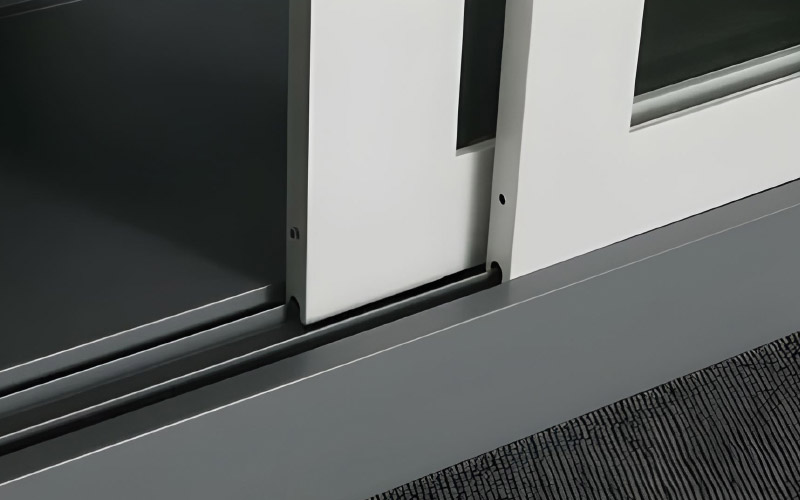
Sliding hinge is the core hardware accessory for external windows (especially casement windows), and its quality and selection rationality directly affect the safety, stability, and service life of doors and windows, as well as the construction quality and compliance of the project. This article provides a concise overview of the procurement considerations and selection techniques for sliding support hinges for external windows. It is easy to understand and helps relevant practitioners avoid procurement misconceptions and make precise selections.Core considerations for procurementPrioritize verifying product compliance and qualityWhen purchasing, it is necessary to confirm that the sliding support hinge meets the industry's general standards and eliminate unqualified products. Focus on checking the appearance of the product for any obvious defects, no loose parts, and no rusting or cracking of the material. Prioritize selecting legitimate products with good quality reputation and guaranteed after-sales service to avoid safety hazards caused by product quality issues.Balancing adaptability to usage scenariosIn combination with the use scenarios (outdoor, indoor, different environmental humidity, etc.) of the outdoor window, the materials with corrosion resistance, aging resistance, and strong bearing capacity shall be selected first to adapt to the outdoor complex environment to avoid component failure after long-term use. At the same time, based on the type of doors and windows, choose products that are suitable for the external window opening method.Avoiding procurement misconceptionsDo not blindly pursue low prices, as low-priced products may have problems such as poor material quality and unstable structure, which may lead to malfunctions in the future; Not neglecting after-sales support, it is necessary to confirm that the product has reasonable after-sales support to facilitate timely handling of problems in the future; Do not purchase generic models arbitrarily, but choose suitable models based on the actual needs of doors and windows.Core selection skillsMaterial selection: prioritize adaptation to outdoor environmentsThe external window is exposed to the outside for a long time. The sliding hinge is made of corrosion-resistant and anti-aging materials. The stainless steel material is widely used, which can adapt to the sun, humidity, temperature difference and other scenarios, effectively extending the service life and reducing the later maintenance cost. The material should match the overall material of the doors and windows to ensure compatibility.Structure and load-bearing selection: meet the requirements of doors and windowsThe selection should be based on the specifications and weight of the external window sash, ensuring that the load-bearing capacity of the sliding hinge matches the requirements of the sash, and avoiding sagging and deformation of the sash due to insufficient load-bearing. At the same time, choose products with compact structure and firmly connected components to ensure smooth opening, reliable positioning, and good windproof and anti drop performance.Adaptability selection: Balancing installation and useWhen selecting, it is necessary to consider the structure of door and window profiles, choose sliding support hinges that are easy to install and compatible with profiles, reserve reasonable installation space, and facilitate construction and later maintenance. At the same time, taking into account the convenience of use, choose products with smooth opening and precise limit to meet daily use and safety needs.ConclusionThe core of purchasing and selecting sliding hinges for external windows is "compliance, adaptability, and high quality". Following the above precautions and techniques, combined with actual needs for procurement and selection, can not only ensure the safety of door and window use, but also extend the service life of doors, windows and hinges, and reduce maintenance costs in the later stage.
04-09Knowledge
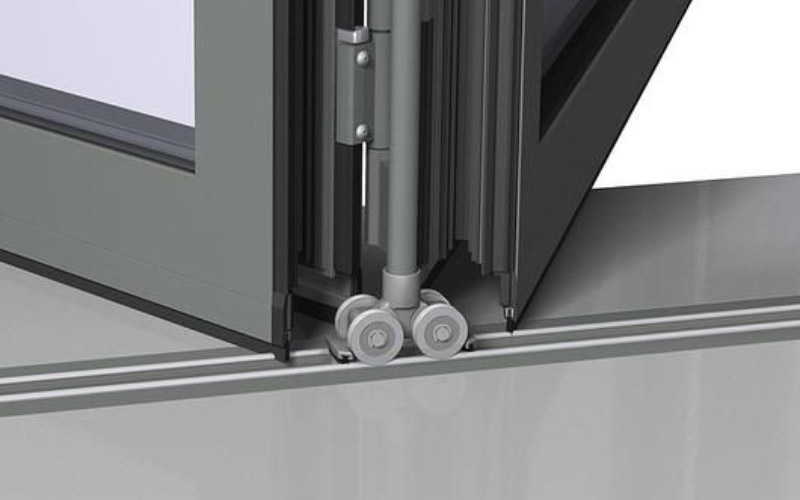
Sliding hinge is the core hardware accessory of engineering doors and windows (especially external casement windows). The rationality of its selection and design directly affects the safety, stability, and service life of engineering doors and windows, as well as the overall construction quality and compliance of the project. This article summarizes the general specifications for the selection and design of sliding hinges for engineering doors and windows, which are easy to understand and help relevant practitioners quickly grasp the core points and avoid selection and design errors.Selection Core Specification: Adapt to Engineering RequirementsThe selection of sliding hinges for engineering doors and windows is based on "adaptability", which needs to be combined with the type and usage scenario of the engineering doors and windows, taking into account both safety and practicality. The core specifications are as follows:Material selection specificationsMost of the engineering doors and windows are located in the outdoor complex environment. The sliding hinge is made of materials that are corrosion resistant, aging resistant and have strong bearing capacity. The stainless steel material is widely used, which can adapt to the outdoor environment such as sunshine, humidity, temperature difference changes, etc., to avoid corrosion, aging and failure in long-term use, and to ensure the long-term stable use of engineering doors and windows. The material selection should meet the overall durability requirements of the project and match the door and window materials and usage scenarios.Specification for Load bearing and Structural AdaptationThe selection should be based on the specifications and weight of the window sash of the engineering doors and windows, ensuring that the load-bearing capacity of the sliding hinge matches the requirements of the window sash, and avoiding sagging, deformation, or even detachment of the window sash due to insufficient load-bearing. At the same time, the structural design of the hinge needs to be compatible with the opening method of doors and windows (mainly outward swing), and the structure of sliding arms, fixed seats, and other components needs to be compact and firm to ensure smooth opening and reliable limiting, meeting the needs of engineering doors and windows.Security Performance Adaptation SpecificationEngineering doors and windows require high safety performance, and sliding hinges need to have good windproof and anti drop performance. The positioning and limiting functions need to be reliable, able to resist outdoor wind impact, and prevent window sashes from shaking and opening and closing on their own due to wind force. At the same time, the connection of each component of the hinge should be firm, and the fasteners should be compatible with the main body to avoid safety hazards such as looseness and detachment after installation, in compliance with engineering safety acceptance standards.Design Core Specification: Balancing Practicality and ComplianceInstallation Design SpecificationWhen designing, it is necessary to clarify the installation position and spacing of the sliding support hinge to ensure even force distribution after installation and avoid damage to the hinge caused by excessive local force. The installation design should conform to the structure of the door and window profiles, reserve reasonable installation space, facilitate construction installation and subsequent maintenance, and ensure the sealing and aesthetics of the doors and windows after installation.Design Specification for AdaptabilityThe design of sliding support hinges should be synchronized with the overall design of engineering doors and windows, taking into account the opening angle, ease of use, and safety performance, to avoid inconvenience or safety hazards caused by unreasonable design. For different types of engineering doors and windows (such as residential and commercial engineering doors and windows), the structural design of hinges needs to be adjusted according to the differences in usage scenarios to meet the personalized needs of different projects.Additional precautionsThe selection design should follow relevant industry standards, combine with the actual needs of the project, and avoid blind selection; Prioritize the use of products that meet universal standards and have reliable quality, and eliminate the use of unqualified accessories in engineering projects; When designing, it is necessary to consider the convenience of subsequent maintenance, facilitate inspection and replacement of hinge components, and ensure the long-term normal use of engineering doors and windows.ConclusionThe selection and design of sliding hinges for engineering doors and windows is an important guarantee for the quality and safety of engineering doors and windows. Following the above general specifications, combined with the selection and scientific design of actual engineering scenarios, can ensure the adaptability and safety of hinges, improve the overall quality of engineering doors and windows, extend their service life, and meet the requirements of engineering acceptance and use.
04-09Knowledge
Sliding braces are the core hardware accessories for external windows (especially casement windows). After long-term use, they are prone to looseness, corrosion, and jamming. Timely replacement or reasonable modification can restore the functionality of doors and windows, ensure safety, and extend the overall service life of doors and windows. This article compiles practical knowledge, which is easy to understand and helps everyone standardize operations and avoid misunderstandings.Key points for replacing sliding braces1. Determine the timing of replacementWhen the sliding support shows component rust, opening and closing jamming, positioning failure, or window sash sagging, shaking, or even loose or detached connectors, it should be replaced in a timely manner to avoid safety hazards and affect the normal use of doors and windows.2. Key precautions for replacementSelection and adaptation: When replacing, it is necessary to choose sliding braces that are compatible with the original door and window specifications, materials, and opening methods, to ensure that the size, load-bearing capacity, and window sash match, and to avoid blindly selecting universal models that may cause installation inconvenience or abnormal use.Standardized operation: Before replacement, doors and windows should be closed and safety protection should be taken. When dismantling old sliding supports, avoid damaging door and window profiles; When installing a new sliding brace, ensure that it is firmly fixed, evenly stressed, and the connecting parts are installed in place to avoid loosening.Product selection: Priority should be given to selecting compliant, reliable, and corrosion-resistant products that are suitable for complex outdoor environments and reduce the frequency of replacement in the future.Practical Techniques for Sliding Support TransformationThe modification of sliding braces mainly targets the situation where the existing sliding braces have insufficient performance and poor adaptability. The core is to improve safety and user experience, without the need for overall replacement of doors and windows:Performance upgrade: If the original sliding brace has insufficient load-bearing capacity and poor wind resistance, it can be modified and upgraded to a more stable structure and stronger load-bearing sliding brace to meet the needs of window sash use and improve wind and anti drop performance.Adaptation and renovation: To address issues such as installation misalignment and excessive gaps, the installation position of the sliding brace can be adjusted, and the compatible connectors can be replaced to ensure a tight fit between the sliding brace and the door and window profiles, and smooth opening and closing.Daily maintenance combined with renovation: After renovation, it is necessary to regularly inspect the sliding support components, clean dust and rust in a timely manner, do a good job of maintenance, and extend the service life of the renovated sliding support.Common Misconceptions and Warm TipsDo not blindly modify on your own: If you are not familiar with the operation, it is recommended to have professional personnel replace and modify it to avoid damaging door and window profiles or leaving safety hazards.Do not overlook details: After replacement and renovation, it is necessary to test whether the opening and closing of doors and windows, as well as their positioning, are normal, to ensure that the sliding support is stable, without any jamming or shaking.Regular maintenance: Regardless of whether it is replaced or modified, it is necessary to clean and maintain the sliding support in daily life to avoid long-term exposure to sunlight and moisture that may cause component aging.ConclusionThe replacement and renovation of sliding braces for doors and windows are centered on "adaptation, standardization, and safety". Mastering the above practical knowledge can not only solve the problem of sliding support in a timely manner, but also improve the user experience of doors and windows, extend their service life, and avoid unnecessary maintenance costs.
04-09Knowledge
Sliding hinge is the core load-bearing component of doors and windows, especially for external casement windows. The matching of its specifications, dimensions, and load-bearing performance directly affects the smoothness of opening and closing, structural stability, and safety of utilize of doors and windows. This article provides a simple analysis of the core relationship and selection points between the two, making it easier for everyone to understand and apply.Specification and size: determine adaptability and installation foundationThe specifications and dimensions of hinges are a prerequisite for selection and installation, directly affecting the subsequent user experience and compliance.1. Core size parametersLength: determines the effective range of motion of the hinge, which is the maximum opening angle of the window. The length should be compatible with the size and opening requirements of the window sash.Thickness and width: affect the load-bearing capacity and structural strength of hinges. Thicker and wider hinges typically have stronger load-bearing potential and are more suitable for large, heavy-duty window sashes.Installation hole spacing and aperture: determine whether the hinge can be accurately and firmly installed on the window frame and sash. The spacing and diameter of the holes should be accurately matched with the installation position reserved for the door and window profiles to ensure a firm installation and even stress distribution.Structural dimensions: including the number and shape of sliding arms, which affect the flexibility of hinge opening and closing, structural compactness, and windproof limit performance.2. Key points for size selectionAccurate matching: The size must be completely matched with the specific specifications and profile structure of the doors and windows to avoid problems such as installation failure, excessive gaps, or uneven stress.Balancing installation space: It is necessary to consider the installation space limitations of doors and windows, choose hinges with appropriate size and easy installation, and avoid affecting the sealing or opening effect of doors and windows due to excessive size.Load bearing performance: determines safety and service lifeLoad bearing performance is the core performance indicator of sliding support hinges, which directly determines the safety and stability of doors and windows during long-term utilize.1. The core influencing factors of load-bearing performanceMaterial characteristics: High quality stainless steel material itself has the characteristics of high strength, deformation resistance, and corrosion resistance, which is the basis for ensuring load-bearing performance. The purity of the material and the level of craftsmanship directly affect the actual load-bearing capacity and durability of the hinge.Structural design: Reasonable structural design, such as multi arm linkage, reinforcement design, and secure connection points, can effectively disperse forces, improve the overall load-bearing capacity, wind pressure resistance, and deformation resistance of hinges.Technological level: Precise processing technology, good welding quality, smooth surface treatment, can ensure that the hinge components work together, avoiding load-bearing failure caused by component jamming and weak connection.2. Key points for selecting load-bearing performanceMatching the weight of the window sash: hinges with corresponding load-bearing capacity must be selected based on the actual weight, size, and material of the window sash. Insufficient load-bearing capacity can cause window sashes to sag, deform, have difficulty opening and closing, and even pose safety hazards.Consider environmental factors: For outdoor doors and windows, additional consideration should be given to the impact of environmental factors such as wind, rain, and snow on hinges. Choose hinges with reliable load-bearing performance and stable structure to ensure safety and stability even in complex environments.Pay attention to long-term stability: The load-bearing performance of high-quality hinges should be able to be maintained for a long time without significant attenuation due to long-term utilize, exposure to sunlight and rain. This can be guaranteed by choosing reputable brands and products with good reputations.Collaborative selection of specifications and load-bearing capacityThe specifications and load-bearing performance complement each other, and when selecting, comprehensive consideration should be given to:Based on size, with load-bearing as the core: First, ensure that the specifications and dimensions are perfectly matched with the doors and windows, and then choose hinges that meet the load-bearing requirements according to the weight of the window sash and the usage environment.Demand-oriented: For heavy-duty window sashes and outdoor high-pressure environments, hinges with large size specifications and strong load-bearing performance should be selected; Lightweight window sashes and indoor environments can choose products with moderate specifications and high cost-effectiveness.Preferred compliant products: Choose products that meet industry standards and have guaranteed quality. The accuracy of their specifications and dimensions, as well as the reliability of their load-bearing performance, are more guaranteed, which can effectively avoid risks in later utilize.ConclusionThe specifications, dimensions, and load-bearing performance of sliding hinges for doors and windows are key to ensuring their safety, stability, and long-term utilize. When selecting, it is necessary to closely combine the actual situation of doors and windows, achieve precise matching of specifications, scientific selection of load-bearing capacity, and choose compliant and high-quality products in Ord. to truly choose suitable sliding hinges and improve the overall quality and user experience of doors and windows.
04-09Knowledge
Sliding hinge is the core hardware accessory for external windows (especially casement windows), and its quality and selection rationality directly affect the safety, stability, and service life of doors and windows, as well as the construction quality and compliance of the project. This article provides a concise overview of the procurement considerations and selection techniques for sliding support hinges for external windows. It is easy to understand and helps relevant practitioners avoid procurement misconceptions and make precise selections.Core considerations for procurementPrioritize verifying product compliance and qualityWhen purchasing, it is necessary to confirm that the sliding support hinge meets the industry's general standards and eliminate unqualified products. Focus on checking the appearance of the product for any obvious defects, no loose parts, and no rusting or cracking of the material. Prioritize selecting legitimate products with good quality reputation and guaranteed after-sales service to avoid safety hazards caused by product quality issues.Balancing adaptability to usage scenariosIn combination with the use scenarios (outdoor, indoor, different environmental humidity, etc.) of the outdoor window, the materials with corrosion resistance, aging resistance, and strong bearing capacity shall be selected first to adapt to the outdoor complex environment to avoid component failure after long-term use. At the same time, based on the type of doors and windows, choose products that are suitable for the external window opening method.Avoiding procurement misconceptionsDo not blindly pursue low prices, as low-priced products may have problems such as poor material quality and unstable structure, which may lead to malfunctions in the future; Not neglecting after-sales support, it is necessary to confirm that the product has reasonable after-sales support to facilitate timely handling of problems in the future; Do not purchase generic models arbitrarily, but choose suitable models based on the actual needs of doors and windows.Core selection skillsMaterial selection: prioritize adaptation to outdoor environmentsThe external window is exposed to the outside for a long time. The sliding hinge is made of corrosion-resistant and anti-aging materials. The stainless steel material is widely used, which can adapt to the sun, humidity, temperature difference and other scenarios, effectively extending the service life and reducing the later maintenance cost. The material should match the overall material of the doors and windows to ensure compatibility.Structure and load-bearing selection: meet the requirements of doors and windowsThe selection should be based on the specifications and weight of the external window sash, ensuring that the load-bearing capacity of the sliding hinge matches the requirements of the sash, and avoiding sagging and deformation of the sash due to insufficient load-bearing. At the same time, choose products with compact structure and firmly connected components to ensure smooth opening, reliable positioning, and good windproof and anti drop performance.Adaptability selection: Balancing installation and useWhen selecting, it is necessary to consider the structure of door and window profiles, choose sliding support hinges that are easy to install and compatible with profiles, reserve reasonable installation space, and facilitate construction and later maintenance. At the same time, taking into account the convenience of use, choose products with smooth opening and precise limit to meet daily use and safety needs.ConclusionThe core of purchasing and selecting sliding hinges for external windows is "compliance, adaptability, and high quality". Following the above precautions and techniques, combined with actual needs for procurement and selection, can not only ensure the safety of door and window use, but also extend the service life of doors, windows and hinges, and reduce maintenance costs in the later stage.
04-09Knowledge
Copyright: Jieyang Interhinge Hardware Technology Co., Ltd Support: 11400.cc
Copyright: Jieyang Interhinge Hardware Technology Co., Ltd Support: 11400.cc